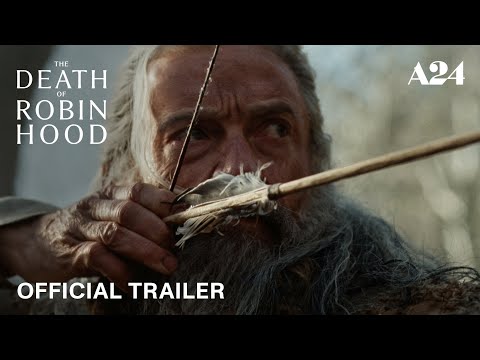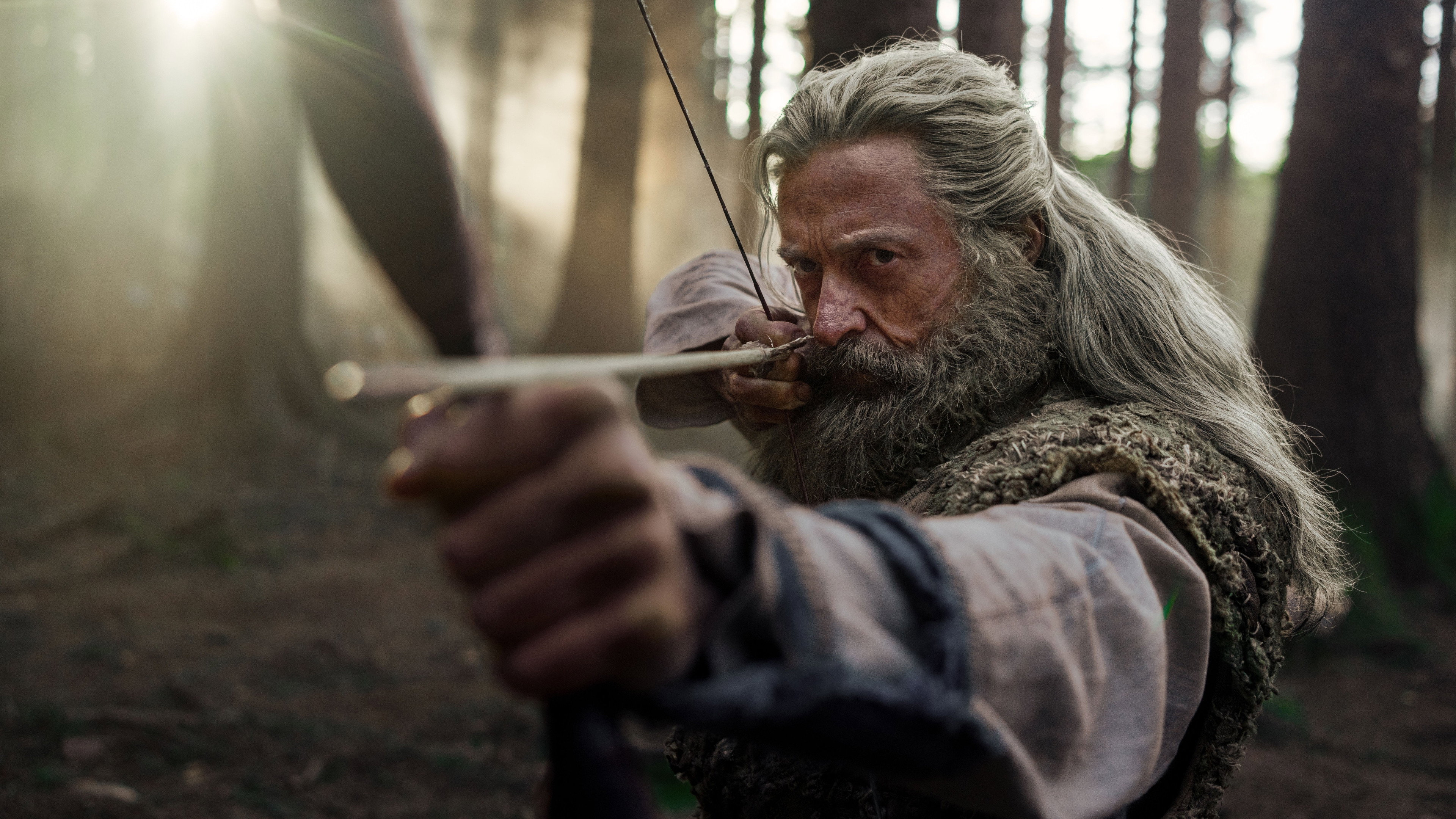
The Death of Robin Hood is a movie that can be summed up in a single word: boring. There’s nothing here to grip me or make me feel any kind of emotion, and it all comes down to the first thirty minutes. Simply put, the filmmakers ask you to become invested in this story, rather than earning its pace. Instead of giving us anything to look forward to — even if that ends up being small crumbs — The Death of Robin Hood trudges along in its first act, expecting you to stick around. This doesn’t tell you that there’s anything to look forward to, so I’m never inclined to hope there is.
For a movie as slow and uneventful as this, whose pace can definitely work in many cases, you need absolutely anything that can pull audiences in and assure them that their waiting will all be worth it in the end. If you drop a few hints as to what’s coming, you will manage to keep audiences in their seats — even if it takes two hours to reach that eventual pay off. The Death of Robin Hood gives you nothing for its first hour, making me simply not care about anything that’s going on. It’s the kind of movie that, around the halfway point, you find your eyes drifting upwards as you start to count the lights on the ceiling because even that is more interesting, and by the time you drift back down, you’ve missed too much to care about where we are now.
A slow burn will plant a few seeds here and there, drawing you further into this story until it all finally comes to a head in the final act, making the entire journey worth it. An uneventful story will ask the audience to stay seated until the end because there’s some possibility that something could happen — though that likelihood usually ends up being quite slim. Unfortunately, The Death of Robin Hood, as much as I really wished it conformed to the former, fell so deeply into the latter. Not a single moment in the first act made me want to continue watching, and I suspect from the constant checking of phones and hasty exit from my entire cinema’s audience once the credits rolled, I’m not in the minority.
Annoyingly, there are a few really interesting plot points throughout, though anything that I could possibly enjoy started so late on that by the time anything of substance is actually put on screen, I’ve already switched off and am deciding where I’ll go to eat when it’s all finally over. Not to mention this being a wildly different movie than was sold to audiences from the trailers. If it wants to trudge along like this, fine, but at least let an audience member prepare for one of the longest cinema experiences of their life.
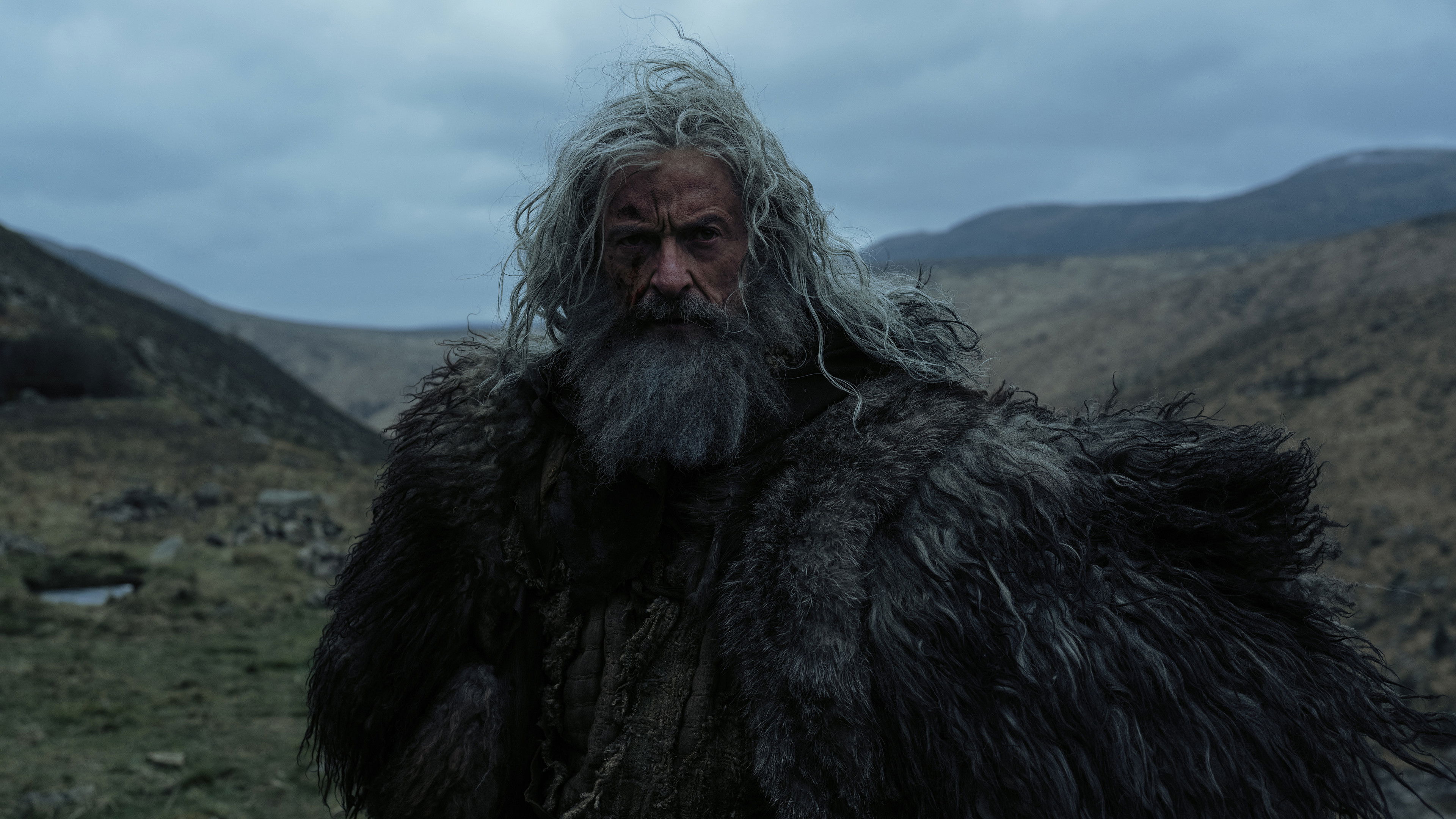
Not only is this movie completely uneventful, much of it just feels quite fake. I don’t mean it’s so heavily fake in the Avengers: Endgame ‘barren wasteland of a fight scene backdrop’ way, but this does show its inability to sell its world to an audience in so many little ways. Any close ups of Hugh Jackman’s face, for which there are so many, make the beard look incredibly synthetic. Any weathering on his face looks so much like makeup — especially in the final scene. Even a few scenes felt like I could almost hear the director yelling action with how a character would enter the frame.
For all its pace issues, there is definitely a good amount of positives here. This has some incredibly gruesome violence that sells this character’s traumatic backstory, paired with some amazing performances from Hugh Jackman and Jodie Comer. I also love the concept of this, the sentiment of myths and legends changing over time through word of mouth. I just wish the actual movie lived up in any real way to its concept.
To be fair, nothing here was exactly bad, just none of it seemed to jump out to me as amazing. I never got a ‘ooh that was good’ feeling from a single shot, piece of music, or even one line. This constantly feels as if it’s about to reach some sort of climax — ‘the good part’ — then the credits roll and I’m left with nothing. I don’t even have a feeling of dissatisfaction with how much we saw like with Leviticus — a movie I watched directly after. I saw too much of The Death of Robin Hood, if anything, and after it all I felt absolutely nothing. I’d watched a movie and now I was going home, knowing I wouldn’t think about or even remember a large majority of it after about a week.
While my main gripe with this is its pacing, with mostly everything else being pretty okay — at least nothing being outright terrible — it may seem quite harsh to rate this as I did. However, I feel pacing is one of the most important parts of a movie. Cinema criticism isn’t a checklist, it’s more of a pie, for which pacing takes up a big chunk. If I watch a movie and everything is quite average or good, but the cinematography is terrible, I can definitely let it slide. If the acting is quite weak, that’s okay, everything around it can lift it up. But pacing is the groundwork. If a movie is paced badly, it causes everything else to crumble with it. I’m now bored so I’m no longer in this world. I’m sitting in a cinema and realising the flaws in the acting and cinematography, where I usually wouldn’t in a more intriguing movie.
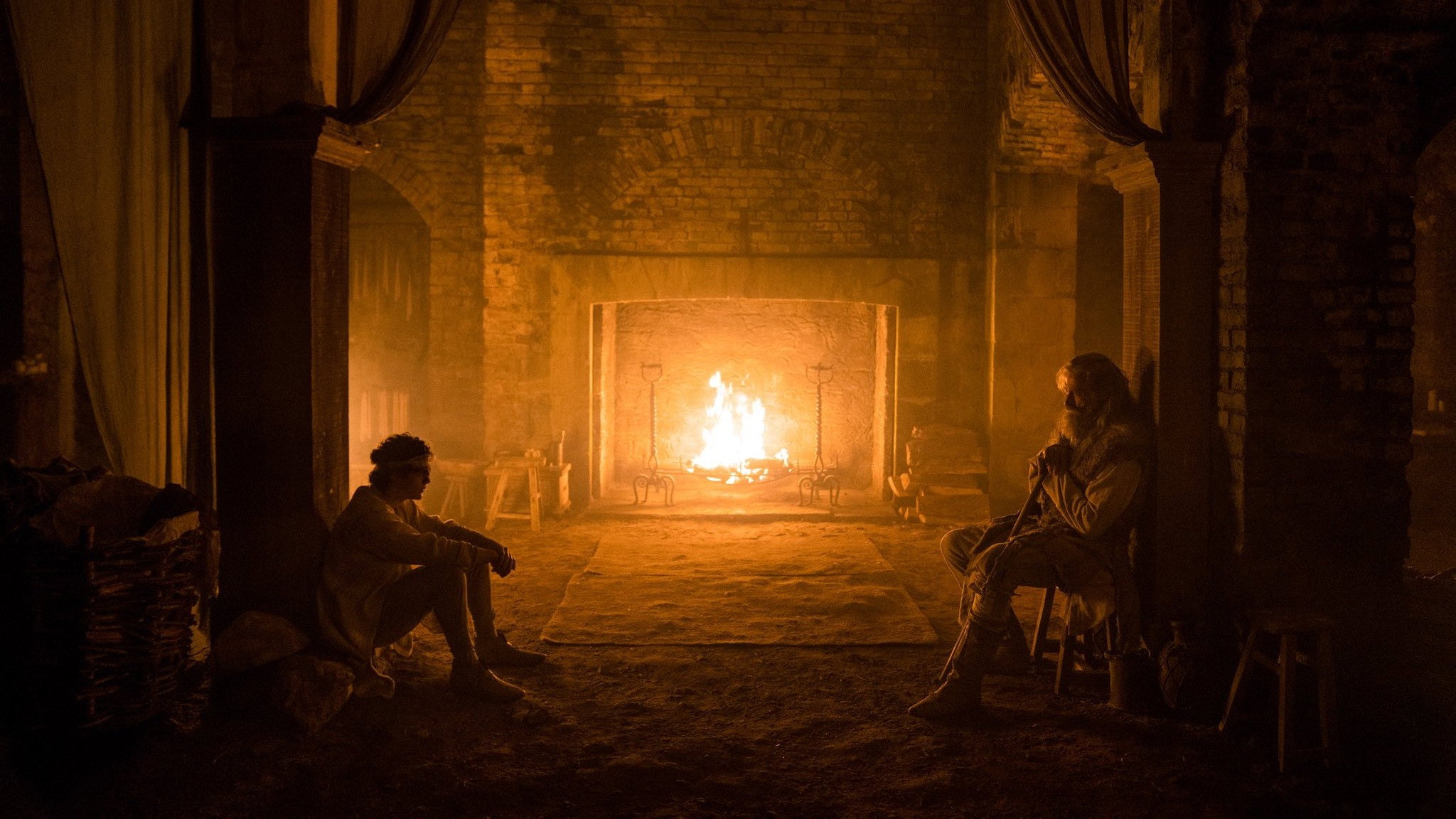
Finally, even though The Death of Robin Hood wasn’t necessarily a bad movie, its pacing let down everything else around it and it took so long to introduce anything that I’d actually care about that at this point it was too late. I’d switched off and there was no saving it. You can’t expect to ask for my investment when you’ve given me nothing to invest in — even having no promise of any kind of pay off in the end. The only ‘promise’ I was given was that a man named Robin Hood would kill some people in fun ways at some point. There’s a lot to enjoy here, but by the time we got there, I was already mentally at home.